What high-value user experiences should haptic technology in the next generation of AR/VR devices deliver?
Overview
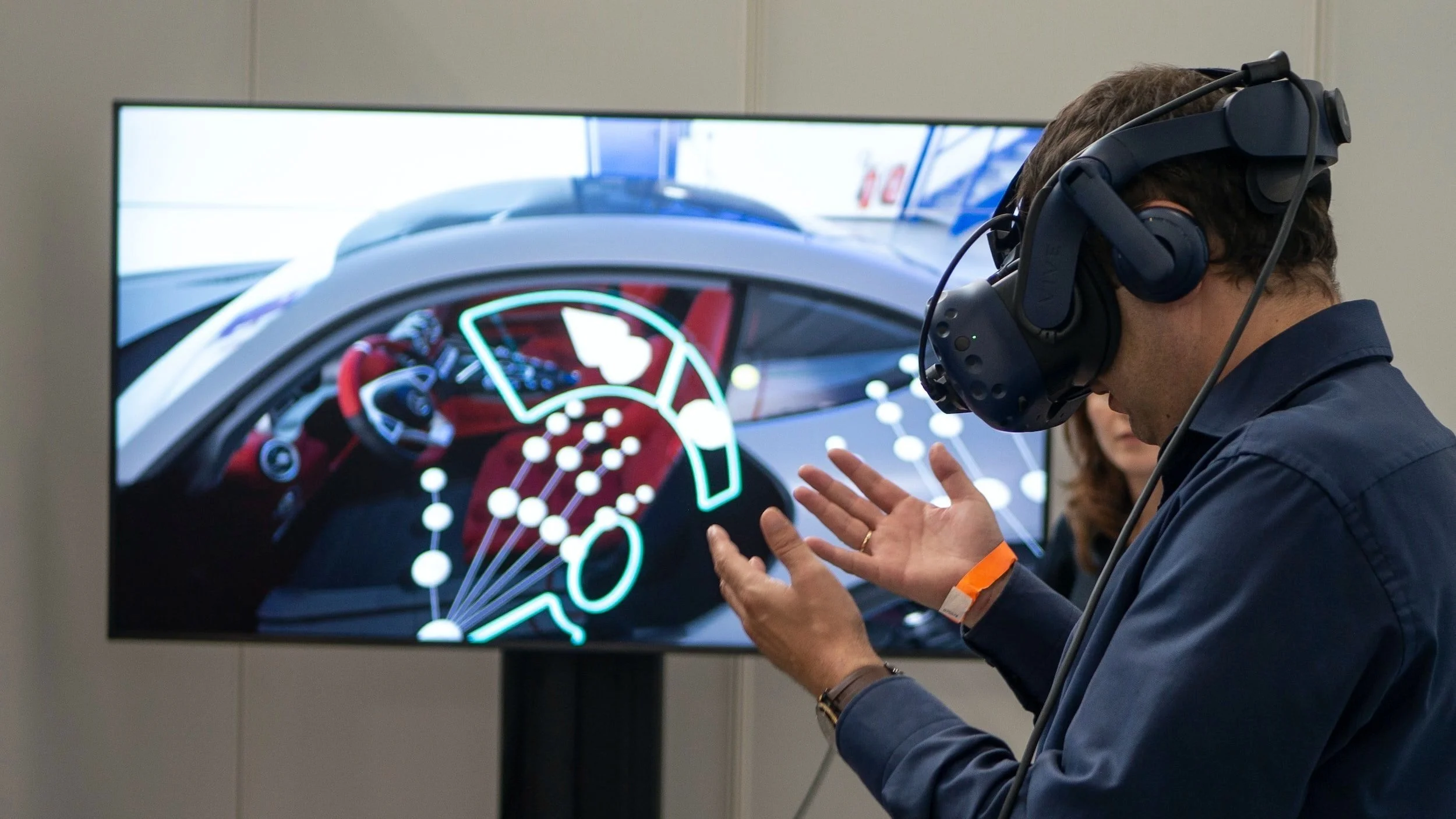
If the metaverse is to transform the way we connect in the future, then it must engage all our senses—including touch.
VR Future Co. aimed to incorporate advanced haptic capabilities into its next-gen AR/VR device, but discovered that it lacked a user-centered strategy to guide its haptic R&D teams.
We conducted remote qualitative research and delivered to VR Future Co. a unified approach that included core user needs, design principles, and future business opportunities relating to haptic feedback in AR/VR.
Role & Responsibilities: Spearheaded development of research guide, including serving as primary writer of all research tools and field documents; conducted primary research activities; assisted with recruitment and research logistics
Methods & Tools: marginal user interviews, intercept interviews, inductive & deductive qualitative coding (Excel), experience mapping, video review & analysis
A unique recruitment approach
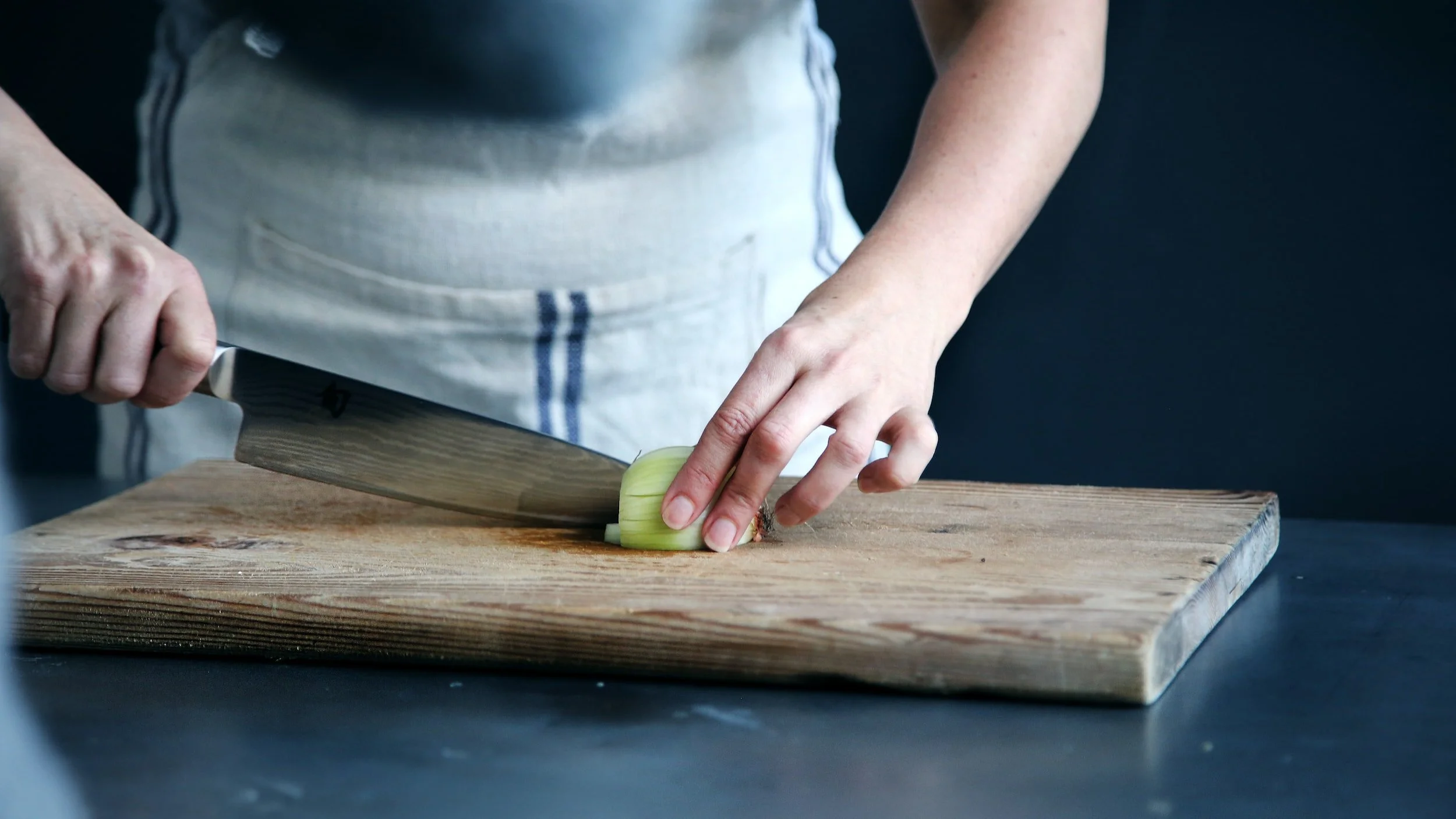
We knew immediately that we had to conduct this research with ‘hand expert’ marginal users (highly-skilled workers with a finely-developed sense of touch, e.g. chef, architect, manicurist) rather than the current average AR/VR user. After all, VR Future Co. aimed to target the next generation of users, particularly those who place a high value on haptic capabilities.
This recruitment criteria were tricky. Participants had to be in disparate careers and open enough to teach us “trade secrets.” To ensure all requirements were met, the team ran a direct recruitment. I tapped into my diverse network and personally secured a third of our sample.
Overcoming pandemic challenges & innovating on methods
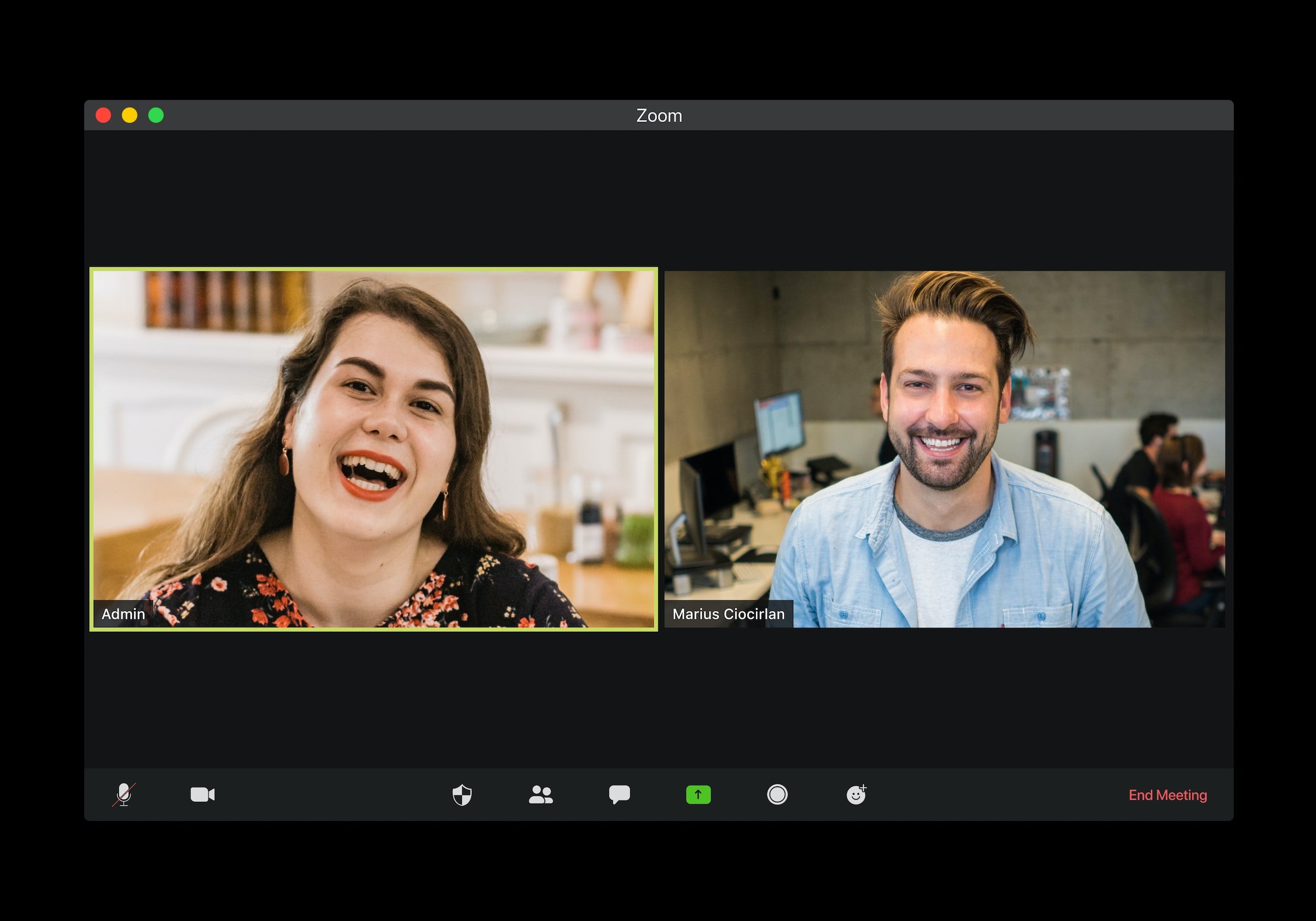
For the safety of everyone, I adapted all research activities to occur remotely, sometimes in novel ways that provided more value than in-person research would have.
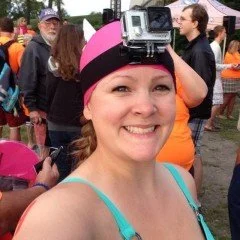
For example, I designed a video activity that utilized an action camera & head mount to capture the participant’s first-person perspective of working with their hands. I also split research into multiple remote sessions to allow researchers to first understand the haptic context before requesting footage, and to be able to review footage independently and with participants in real-time to extract the most from the video data.
We also had to go beyond interviews and incorporate video capture and review, as we had to observe haptic skills that expert users both consciously and unconsciously perform.
Intercept interviews & workplace observations would have been easy… if the project hadn’t taken place inlate 2020, when the pandemic was still in full swing. For the safety of everyone,
Outcomes
We presented research insights to a cross-functional, senior-level team drawing from R&D, Engineering, and Business Strategy:
Framework of high-value hand skills and haptic contexts that also integrate literature in the field of haptics and existing research by VR Future Co.
User design principles (‘Dos and Donts’) to guide developers to create hardware that will deliver both usefulness and delight
Prioritized opportunities in haptics, including experience thought-starters and relevant haptic features
Impact
VR Future Co. was elated with project outcomes and incorporated presented frameworks and principles into internal R&D flows.
I understand they even printed one of our key visuals to put up in their office for teams to consider and work with on a regular basis.